

Sciatica From a Chiropractors Persepctive
Sciatica can be confusing because the pain may begin in the lower back but travel through the buttock and down the leg. Some people describe it as sharp or burning pain, while others notice tingling, numbness, or weakness.
One of the most important things I tell patients is that leg pain does not automatically mean there is serious damage to the spine. Sciatica can have several causes, and the right approach depends on your symptoms, examination findings, and how those symptoms are affecting your daily activities.
In this edition of From the Clinician’s Desk, I want to explain what sciatica is, what I look for during an assessment, where chiropractic care may fit into recovery, and when symptoms require further medical evaluation.
What Is Sciatica?
Sciatica is a term commonly used to describe pain associated with irritation or compression of a nerve root in the lower back that contributes to the sciatic nerve.
The sciatic nerve is formed from nerves originating in the lower spine and travels through the buttock and into the leg. When one of the contributing nerve roots becomes irritated, symptoms can travel along the leg rather than remaining only in the lower back.
Sciatica is therefore different from ordinary low back pain.
Someone with uncomplicated low back pain may primarily feel discomfort around the lumbar region. With sciatica, symptoms may extend into the buttock, thigh, calf, foot, or toes.
The exact pattern varies from person to person.
What Does Sciatica Feel Like?
Sciatica symptoms can be different depending on which nerve root is involved and how irritated the nerve is.
Common symptoms include:
- Pain travelling from the lower back or buttock into the leg
- Sharp, shooting, or burning pain
- Tingling or “pins and needles”
- Numbness
- Weakness in the leg or foot
- Symptoms that change with certain positions or movements
Some people experience significant leg pain with relatively little back pain. Others have both back and leg symptoms. Pain can also become more noticeable with activities such as sitting, bending, coughing, or sneezing.
One point I emphasize is that symptoms alone don’t tell us exactly what structure is responsible. A proper clinical assessment helps put the symptoms into context.
What Causes Sciatica?
Sciatica can develop for several reasons.
One common cause is a herniated or bulging disc that irritates a nearby nerve root. Other possible causes include narrowing around the spinal nerves, age-related changes in the spine, certain spinal conditions, or an injury affecting the lower back.
It is also important not to assume that an imaging finding automatically explains someone’s pain.
Disc and other spinal changes can occur without causing symptoms. This is one reason why the clinical examination and the person’s actual symptoms matter when deciding what should happen next.
How a Chiropractor Looks at Sciatica
When I assess someone with suspected sciatica, I am not simply looking for a place to “adjust.”
The first question is:
What is happening, and is chiropractic care appropriate for this person?
That means looking at the history and examining factors such as:
- Where the pain begins and where it travels
- Whether there is numbness or tingling
- Whether there is measurable weakness
- Which movements or positions change the symptoms
- How symptoms are affecting walking, sitting, sleeping, work, and daily activities
- Previous episodes of back or leg pain
- Previous injuries or medical conditions
- Whether there are signs that require referral or additional investigation
This assessment helps determine whether the presentation appears appropriate for conservative care or whether another healthcare professional should be involved.
I also want patients to understand that more treatment is not automatically better treatment. The goal is to identify an appropriate plan based on the individual presentation rather than applying the same treatment to everyone with leg pain.
Can Chiropractic Care Help With Sciatica?
This is one of the most common questions I hear.
The answer is: it depends on the individual and the cause of the symptoms.
Chiropractic care may include manual therapy, spinal mobilization or manipulation, exercise guidance, activity advice, and other conservative approaches when clinically appropriate.
However, I don’t view spinal manipulation as a stand-alone answer to every case of sciatica.
Clinical guidance from NICE recommends considering manual therapy, including spinal manipulation or mobilisation, for low back pain with or without sciatica as part of a treatment package that includes exercise.
Evidence reviewed by the U.S. National Center for Complementary and Integrative Health also indicates that spinal manipulation may help some people with sciatica, although the evidence specifically for sciatica is more limited than the evidence for general low back pain.
For that reason, I prefer to think about chiropractic care as one possible component of a broader rehabilitation plan rather than promising that one technique will resolve everyone’s symptoms.
What Might Treatment Look Like?
Treatment should be based on the person’s examination findings and current level of function.
Depending on the presentation, a conservative plan may include:
Education and self-management
Understanding what may be contributing to symptoms can reduce unnecessary fear and help patients make appropriate decisions about activity and recovery.
Exercise and movement
Appropriate exercise can help maintain or restore movement and function. Current clinical guidance recommends encouraging people with low back pain and sciatica to continue normal activities as appropriate and consider exercise-based management.
The right exercises are not necessarily the same for everyone. An exercise that feels helpful for one person may aggravate another person’s symptoms.
Manual therapy
Depending on the assessment, manual techniques such as mobilisation or spinal manipulation may be considered.
The evidence supports using these approaches as part of a broader management plan rather than relying on manual therapy alone.
Activity modification
During a painful flare-up, you may need to temporarily change how you sit, lift, work, exercise, or sleep.
That does not necessarily mean complete rest.
In many cases, gradually maintaining appropriate activity is preferable to prolonged inactivity.
What Can You Do at Home?
If your symptoms are mild and you have already been assessed, there are several general strategies that may help you manage a flare-up.
Keep moving within your tolerance
Long periods of bed rest or inactivity are generally not recommended for uncomplicated sciatica. Gentle movement and gradually returning to normal activities can support recovery.
Change positions regularly
If sitting aggravates your symptoms, avoid staying in one position for extended periods. Alternating between sitting, standing, walking, and other comfortable positions may make daily activities easier.
Pay attention to your symptoms
The goal isn’t to completely avoid movement because something feels uncomfortable. Instead, pay attention to how symptoms respond during and after activity.
A significant increase in leg pain, numbness, or weakness is a reason to reassess what you are doing.
Get individualized advice when needed
General information cannot determine the cause of your symptoms.
If pain is persistent, worsening, interfering with normal activities, or accompanied by neurological changes, a healthcare professional should assess you.
When Sciatica Needs Medical Attention
Most cases of sciatica are not medical emergencies, but certain symptoms require prompt assessment.
Seek urgent medical attention if you develop symptoms such as:
- New or worsening significant weakness in the legs
- Numbness around the genitals, buttocks, or inner thighs
- Difficulty starting urination or inability to urinate
- New loss of bladder or bowel control
- Significant symptoms affecting both legs
These can be warning signs of serious nerve compression, including cauda equina syndrome, and require urgent medical evaluation.
Other factors, such as significant trauma, fever or systemic illness, unexplained weight loss, a history of cancer, or other concerning symptoms may also change how back and leg pain should be evaluated.
If you are experiencing these warning signs, do not wait for a routine chiropractic or physiotherapy appointment. Seek appropriate urgent medical care.
Does Everyone With Sciatica Need an MRI?
Not necessarily.
Imaging can be useful in selected situations, but routine imaging is not recommended for every person with low back pain or sciatica in a non-specialist setting.
NICE recommends considering imaging in a specialist setting when the result is likely to change management.
In other words, an MRI is not automatically the next step simply because someone has pain travelling down the leg.
The decision should take into account the clinical presentation, neurological findings, duration and progression of symptoms, and whether imaging would actually change what happens next.
A Note From Dr. Dhillon
“When a patient tells me they have sciatica, my first goal isn’t to find the quickest treatment. It’s to understand what the symptoms are telling us.”
“I want to know where the pain is travelling, whether there are neurological symptoms, what movements affect it, and how it is changing the person’s ability to function. From there, we can decide whether conservative care is appropriate and what that care should look like.”
“Good rehabilitation is not about treating a diagnosis in isolation. It is about understanding the person in front of you and building a plan around their presentation, goals, and response to care.”
— Dr. Dhillon
When Should You Consider an Assessment?
Consider having your symptoms assessed if:
- Your leg pain is persistent or worsening
- Pain is interfering with work, sleep, exercise, or normal activities
- You are experiencing recurring episodes
- You have numbness or tingling that concerns you
- You notice weakness in the leg or foot
- You are unsure whether your symptoms are actually sciatica
- You want guidance on returning safely to normal activity
An assessment can help determine whether your symptoms are appropriate for conservative rehabilitation or whether you should be referred for additional medical evaluation.
At DRS Physio & Wellness, chiropractic care can be considered as part of a broader musculoskeletal rehabilitation approach when appropriate for the individual’s presentation.
Frequently Asked Questions About Sciatica
Yes. Some people experience more than one episode of sciatica. A previous episode does not necessarily mean that a new episode will be identical or that the same treatment will be appropriate.
If symptoms return, particularly if the pattern has changed or new neurological symptoms develop, it is worth having the new episode assessed rather than automatically repeating an old treatment plan.
For patients interested in conservative musculoskeletal care, you can learn more about the Chiropractic Care services at DRS Physio & Wellness.
In many cases, appropriate exercise can be part of recovery. However, the type, intensity, and progression of exercise should reflect the person's symptoms and functional abilities.
Rather than following a generic “sciatica exercise” program from the internet, an individualized exercise plan can help determine which movements are appropriate and how they should progress.
The NICE recommendations for low back pain and sciatica provide clinical guidance on exercise and physical activity as part of management.
Back and leg symptoms do not always improve at exactly the same rate.
When a nerve structure has been irritated, the symptoms experienced along the leg may persist even when the original back pain has started to settle. The pattern and progression of symptoms are therefore important when assessing recovery.
If leg pain is not gradually improving, is becoming more severe, or is accompanied by increasing numbness or weakness, an updated clinical assessment may be appropriate.
For some people, prolonged sitting can aggravate their symptoms, while others may find particular standing or walking positions more uncomfortable.
Rather than assuming that one position is universally “bad” for sciatica, it can be useful to observe how your symptoms respond to different positions and activities.
Changing position regularly and avoiding prolonged periods in a position that clearly aggravates symptoms may make everyday activities more manageable.
Yes. Pain, difficulty finding a comfortable position, and symptoms that become more noticeable at night can interfere with sleep.
If pain is repeatedly disrupting your sleep, an assessment can help determine whether changes to activity, positioning, or your rehabilitation approach may be appropriate.
Persistent or unexplained night-time symptoms should also be discussed with an appropriate healthcare professional, particularly when they occur alongside other concerning symptoms.
It can. Pain, numbness, altered sensation, or weakness may change the way a person walks.
A noticeable change in walking ability can be clinically important, particularly if it is associated with new or worsening weakness. In that situation, an appropriate assessment should not be delayed.
Improvement is not necessarily measured by pain disappearing immediately.
Useful signs can include:
- Being able to perform more normal daily activities
- Walking or sitting for longer without a significant increase in symptoms
- Reduced intensity or frequency of leg pain
- Improved movement
- Reduced reliance on symptom-management strategies
- Gradual improvement in strength or function when weakness was present
Recovery should be considered in terms of both symptoms and function rather than pain intensity alone.
Sciatica commonly affects one side, but symptoms can sometimes occur in both legs.
Symptoms affecting both legs, particularly when accompanied by significant weakness, numbness around the genital or buttock region, or bladder or bowel changes, require urgent medical assessment.
If the symptoms are bilateral without these emergency features, an appropriate clinical assessment can help determine what may be contributing to them.
Useful information includes:
- When the symptoms started
- Where the symptoms began
- Where they travel
- Whether they have changed over time
- Any numbness, tingling, or weakness
- Activities or positions that aggravate or relieve symptoms
- Previous episodes of similar pain
- Any relevant injuries or medical conditions
- Treatments or exercises you have already tried
Keeping track of these details can make the clinical history more useful and help your healthcare provider understand how the problem is affecting your daily life.
Evidence-Based Resources
For readers who want to learn more about sciatica and evidence-based management, the following resources provide useful clinical information:
NHS — Sciatica
The NHS provides an overview of sciatica symptoms, common causes, self-management, treatment options, and urgent warning signs.
NICE — Low Back Pain and Sciatica
The National Institute for Health and Care Excellence provides clinical recommendations covering assessment and management of low back pain and sciatica, including exercise, self-management, manual therapy, and imaging considerations.
NICE: Low back pain and sciatica in over 16s
NCCIH — Spinal Manipulation
The U.S. National Center for Complementary and Integrative Health provides an evidence-based overview of spinal manipulation, including what research says about low back pain and sciatica and considerations related to safety.
Final Thoughts
Sciatica can be frustrating, especially when pain starts affecting the things you normally take for granted.
As a chiropractor, my goal is not simply to treat the pain. It is to understand what you are experiencing, what may be contributing to it, and how we can help you move forward with confidence.
Every person is different, and every recovery is different. Good care starts with listening.
— Dr. Dhillon
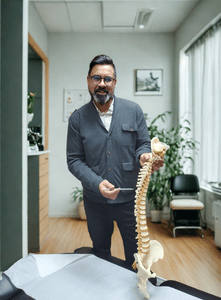
Dr. Sukhvinder Dhillon
Chiropractor & Clinical Director
DRS Physio & Wellness
1090 Peter Robertson Blvd Unit 105
Brampton, ON L6R 3B3